














Why Was the Pacman 30th Anniversary Doodle So Popular?
The PacMan 30th anniversary became more than a gaming milestone. Google turned the celebration into an interactive experience. Millions of people could play Pac-Man from the search homepage.
The idea was simple, but its impact was huge. Google replaced its normal logo with a playable maze. Users could move Pac-Man, collect dots, avoid ghosts, and chase higher scores.
The experience also introduced a two-player option. Players could control Pac-Man and Ms. Pac-Man together. This made the Doodle more social and entertaining.
For longtime gamers, the experience created instant nostalgia. Younger users also discovered a classic arcade character. The Doodle combined gaming history with modern web technology.
So, what made the experience so memorable? Several elements worked together. These included nostalgia, simple controls, interactive design, and strong brand recognition.
Why Did Google Create the Pac-Man 30th Anniversary Doodle?
Pac-Man first appeared in Japan in 1980. The arcade game quickly became popular worldwide.
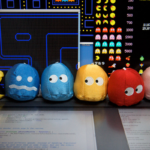
Its gameplay was easy to understand. Players guided Pac-Man through a maze. They collected dots while avoiding four ghosts.
Power pellets added another strategic element. They temporarily allowed Pac-Man to chase ghosts.
The game looked simple at first. However, higher levels required faster decisions. Players needed timing, planning, and quick reactions.
Thirty years later, Google wanted to celebrate Pac-Man. The company chose an interactive format instead of another static logo.
Google launched the Doodle on May 21, 2010. Google described it as its first playable Doodle.
The choice also made sense for a wider reason. Pac-Man already had global recognition.
Older users remembered the arcade original. Younger audiences knew the character from popular culture.
Google could therefore introduce the game without lengthy instructions. Most visitors understood Pac-Man immediately.
That familiarity helped make the Doodle accessible. Users could simply open Google and start playing.
How Did the Pac-Man Doodle Work?
The Pac Man Doodle changed Google’s homepage into a game.
Instead of displaying only the Google logo, the page showed a maze. The maze also incorporated the Google lettering.
Players controlled Pac-Man through the maze. They collected dots and avoided colorful ghosts.
Power pellets offered temporary protection. Players could then chase the ghosts for extra points.
Google also changed the usual homepage button. The familiar “I’m Feeling Lucky” button became “Insert Coin.”
Clicking the button started the game. The Doodle could also begin after a short wait.
This design created an unexpected homepage experience.
People normally visited Google to search for information. The Doodle gave them another reason to stay.
Users could play without leaving the homepage. They also needed no special gaming equipment.
That simple interaction made the experience easy to understand.
What Made the Pac Man Doodle Different?
Google had already created many special Doodles. Most of them focused on visual designs.
The Pac Man Doodle took the concept further.
It did not simply display Pac-Man. It allowed visitors to control him.
Google recreated many familiar parts of the original game. These included the maze, characters, sounds, and gameplay.
The design also captured details that longtime players recognized.
That attention to detail helped strengthen the nostalgic feeling.
Google also kept the experience simple. New players could understand the objective quickly.
This balance worked for different audiences.
Experienced players could enjoy familiar gameplay. New users could discover a classic arcade game.
The Doodle therefore worked as both entertainment and introduction.
Could Two People Play Pacman Together?
Yes. Google included a two-player feature in the Doodle.
Players could click the “Insert Coin” button twice. This activated the second-player mode.
Pac-Man remained available to the first player. The second player controlled Ms. Pac-Man.
The first player used the arrow keys. The second player used the WASD keys.
This feature changed the experience again.
People could sit together at one computer. Friends could compete against each other. Family members could also play together.
The addition of Ms. Pac-Man added another familiar character.
Ms. Pac-Man already had a strong place in arcade history. Her inclusion increased the nostalgic appeal.
More importantly, multiplayer encouraged direct interaction.
Users were not just looking at Google’s homepage. They were actively using it.
That distinction helped make the Doodle memorable.
How Could People Play Pacman Online?
The Doodle provided an easy form of online Pacman.
Users could access the game through their browser. They did not need a separate console.
They also did not need special gaming software.
This made the game available to a much larger audience.
Someone could remember playing Pac-Man in an arcade. That person could later revisit the experience online.
New players could also discover Pac-Man through Google.
The browser format removed several traditional barriers.
People did not need an arcade machine. They did not need an old gaming system.
Google placed a classic game inside a website people already used.
That approach showed the potential of browser-based entertainment.
It also connected classic gaming with modern internet culture.
Why Was Pac-Man Already So Popular?
Pac-Man became popular because its gameplay was easy to learn.
Players did not need complex instructions. They simply moved through a maze.
The goal involved collecting dots while avoiding ghosts.
However, the game offered more depth than its basic rules suggested.
The four ghosts added different movement patterns. Players could learn those patterns over time.
The game also became harder as players progressed.
This created a strong learning curve.
Beginners could understand the basics quickly. Experienced players could continue improving their scores.
Pac-Man also reached audiences beyond traditional gamers.
The character appeared on merchandise and television. It also became part of wider popular culture.
That recognition helped Pac-Man become a cultural icon.
By 2010, the character had already crossed several generations.
Google could therefore use Pac-Man as a familiar cultural reference.
How Did Google Recreate the Classic Arcade Experience?
Google focused on more than Pac-Man’s appearance.
The Doodle recreated recognizable gameplay elements.
Players could collect dots throughout the maze. They could also collect fruit and use power pellets.
The ghosts followed different movement patterns. This gave experienced players a familiar challenge.
The maze also helped recreate the original feeling.
Google understood that nostalgia depends on details.
A simple yellow character would not create the same experience.
The sounds, controls, maze, and gameplay all mattered.
Together, these elements created a recognizable version of Pac-Man.
Longtime players could remember the original arcade game. New players could experience its basic mechanics.
The Doodle therefore connected two different audiences.
It respected the original game while presenting it through a modern platform.
Was Free Pac Man Available on Google?
Yes. The Doodle provided a free Pac Man experience.
Users did not need to purchase the game. They also did not need to install separate software.
The experience was available directly through Google.
That made the game attractive to casual users.
People could try Pac-Man without making any commitment.
Longtime fans could also revisit the classic experience.
The free format removed another barrier between users and the game.
Google simply gave visitors something entertaining to do.
This approach also demonstrated the value of free interactive content.
Users received an experience without registration or payment.
The simplicity made the Doodle easy to access.
What Technology Powered the Playable Doodle?
The Doodle also attracted attention because of its web technology.
At the time, many browser games used Adobe Flash.
Google used HTML, CSS, and JavaScript for the main experience.
This showed what standard web technologies could achieve.
Users could open Google and start playing directly.
They did not need to download a separate application.
The technology supported the creative idea without complicating the experience.
Google’s homepage normally focused on simplicity.
The Pac-Man Doodle changed that temporarily.
However, the page remained easy to understand.
Users could still access Google’s normal search function.
They simply had an interactive game waiting for them.
This combination of simplicity and technology helped the Doodle reach a huge audience.
Why Did the Pacman 30th Anniversary Doodle Become So Popular?
Several factors helped the Doodle attract attention.
First, Pac-Man already had worldwide recognition.
Google did not need to explain the character.
Second, the game offered immediate interaction.
Visitors could start playing within seconds.
Third, the Doodle created strong nostalgia.
Older users could remember childhood arcade experiences.
Younger visitors could discover the character for themselves.
Fourth, Google placed the game on its homepage.
Millions of people already visited that page every day.
The game therefore reached users without traditional advertising.
People did not need to search for Pac-Man.
Pac-Man appeared directly in front of them.
Users could also tell friends about the unexpected game.
Some could invite coworkers or family members to play.
The experience therefore encouraged organic sharing.
It also showed an important digital marketing principle.
Interactive experiences can create stronger engagement.
A normal anniversary logo only provides information.
A playable Doodle gives users something to do.
Google turned a celebration into an experience.
What Happened After the Google Doodle?
Google initially planned the Doodle as a temporary celebration.
However, user interest changed its future.
Google later made the playable Pac-Man experience permanently available.
This decision extended the life of the Doodle.
Most Google Doodles remain available for limited periods.
The Pac-Man experience became different.
Users could return and play again after the anniversary.
That helped transform the Doodle into a lasting internet experience.
It also showed Google’s willingness to preserve successful interactive content.
The anniversary celebration therefore became more than a single homepage event.
It became part of Google’s history with interactive Doodles.
What Can Marketers Learn From the Pac Man Doodle?
The Pac-Man 30th anniversary Doodle offers several useful lessons.
Create Experiences Instead of Simple Messages
Google could have created a traditional anniversary logo.
Instead, the company created something people could use.
Interactive content gives users a reason to participate.
It can also encourage people to spend more time with a brand.
Use Familiar Ideas in New Ways
Pac-Man already had strong recognition.
Google did not need to introduce a new character.
Instead, it placed a familiar game inside an unexpected environment.
This reduced the learning curve for users.
It also created curiosity.
Make User Interaction Simple
The Doodle required very little explanation.
Players understood the main objective almost immediately.
Simple controls helped remove friction.
This principle still matters for modern websites.
Users should understand how an experience works quickly.
Match Content With Audience Interests
Google selected a character people already knew.
Pac-Man had strong links with gaming and nostalgia.
The Doodle therefore matched existing audience interests.
This helped turn a simple celebration into engaging content.
These principles can apply to websites and digital campaigns.
They can also support interactive landing pages and branded experiences.
Why Does the Pac-Man Doodle Still Matter?
The Doodle remains memorable because it changed the role of Google’s homepage.
It turned a familiar search page into entertainment.
The experience also connected multiple generations.
Older players recognized the classic arcade mechanics.
Younger users discovered Pac-Man through a modern platform.
That cross-generational appeal strengthened its cultural impact.
The Doodle also demonstrated the potential of interactive web content.
Today, websites commonly use games and interactive features.
They also use quizzes, animations, calculators, and other tools.
The Pac-Man Doodle showed this potential on a massive platform.
Its basic idea remained simple.
Give people something they recognize.
Make interaction easy.
Then create an experience worth remembering.
Google applied all three principles with Pac-Man.
Frequently Asked Questions
When was the Pac-Man 30th anniversary celebrated?
Google celebrated the anniversary on May 21, 2010.
The date marked 30 years since Pac-Man’s Japanese debut.
What was the Pac-Man 30th anniversary Google Doodle?
It was a playable Pac-Man game on Google’s homepage.
The Doodle transformed the logo into an interactive maze.
Was the Pac-Man Doodle Google’s first playable Doodle?
Yes. Google described it as its first playable Google Doodle.
Could two people play the Google Pac-Man game?
Yes. Players could activate the two-player mode.
They did this by clicking “Insert Coin” twice.
The second player controlled Ms. Pac-Man.
How did players control Pac-Man?
The first player used the arrow keys.
The second player used the WASD keys.
Why did the Pac Man Doodle become memorable?
It combined a famous character with interactive gameplay.
It also brought classic arcade nostalgia to Google’s homepage.
Did the Pac-Man Doodle remain available?
Google later made the playable experience permanently available.
This allowed users to return after the anniversary.
Conclusion
The Pac-Man 30th anniversary became a major moment for interactive web content.
Google did more than celebrate an important gaming milestone.
It turned its homepage into a playable arcade experience.
Users could control Pac-Man directly from their browsers.
They could collect dots, avoid ghosts, and chase higher scores.
The two-player mode added another layer of interaction.
Ms. Pac-Man also expanded the nostalgic appeal.
The Doodle succeeded because it combined familiar ideas with simple technology.
It also gave users a reason to participate.
That approach remains valuable for digital marketing today.
People often remember experiences more easily than ordinary messages.
Google understood that principle through its Pac-Man celebration.
The result became one of its most recognizable interactive Doodles.
It showed how a familiar character can create fresh engagement.
More importantly, it proved one simple idea.
Sometimes, the best way to celebrate a classic is to let people play it.
